Colorectal Cancer Screening
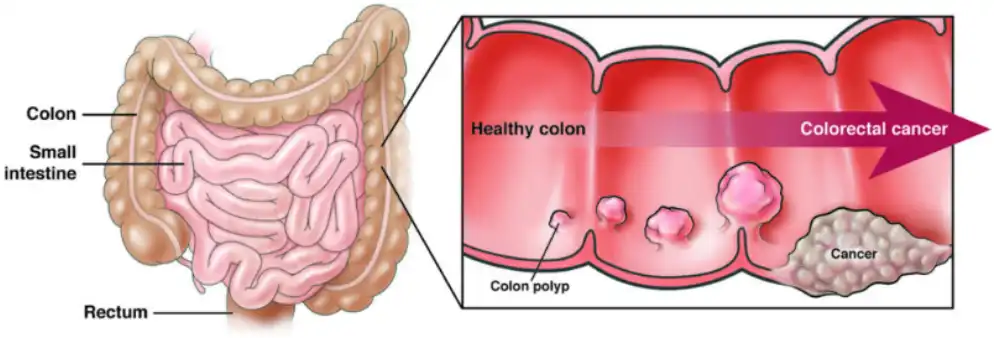
Colorectal Cancer Screening – Colon cancer screening is used to detect precancerous polyps or early-stage cancer before symptoms appear. Early detection has been known to prevent more than ⅓ of colorectal cancer deaths. It’s very safe, effective and recommended for all adults. For an average risk individual, the recommended age to start screening is 45 years. Earlier screening is recommended for certain populations (see below).
Earlier Screening is recommended for:
- Patients who identify themselves as Black American/African American.
- Family history of colorectal cancer or polyps
- Family history of cancer in the uterus, ovary or other organs
- Personal history of inflammatory bowel disease (IBD),
- Personal history of certain genetic syndromes like Lynch syndrome
Colorectal Cancer Screening option:
- One-Step Screening Test: Colonoscopy – One-step test that looks for growths called polyps in your entire colon (large intestine) and rectum using a colonoscope. Your doctor can both detect and remove polyps during colonoscopy and prevent colorectal cancer. Colonoscopy is the most commonly performed gastrointestinal procedure in the United States. Colonoscopy with removal of polyps offers long term protection against developing colorectal cancer or dying from it.
- Two-Step Screening Tests: Stool-Based Tests -These tests detect blood or altered DNA in the stool as a first step. A positive result would lead to the second step of colonoscopy for further examination.
- Fecal Immunochemical Tests (FIT) detect hidden blood in the stool. The stool FIT test is typically performed on an annual basis. A positive test requires a follow-up colonoscopy.
- Multitarget Stool DNA (mtsDNA) looks for abnormal DNA associated with colon cancer or precancerous polyps. This test is more sensitive than the FIT test, but your chance of getting a false positive may increase with advancing age.
- Tests for Individuals who Cannot or Will Not Have a Colonoscopy or FIT, or Are Not Candidates for Colonoscopy – CT colonography and colon capsule are options for individuals unwilling or unable to undergo colonoscopy or FIT, provided that the tests are locally available and reimbursed by insurers for screening. It is important to note that both tests will still require a follow-up colonoscopy if positive.
Diet and Lifestyle changes to help lower your risk:
- Avoid smoking or using tobacco products
- Limit alcohol intake
- Maintain a healthy weight
- Be active
- Limit intake of highly processed food, fats, oils, butter, and red meat
- Intake of diet with fiber, fruits, vegetables (cabbage, broccoli, cauliflower and brussels sprouts)